
How does bird wax work?
Where is Bird Wax used?
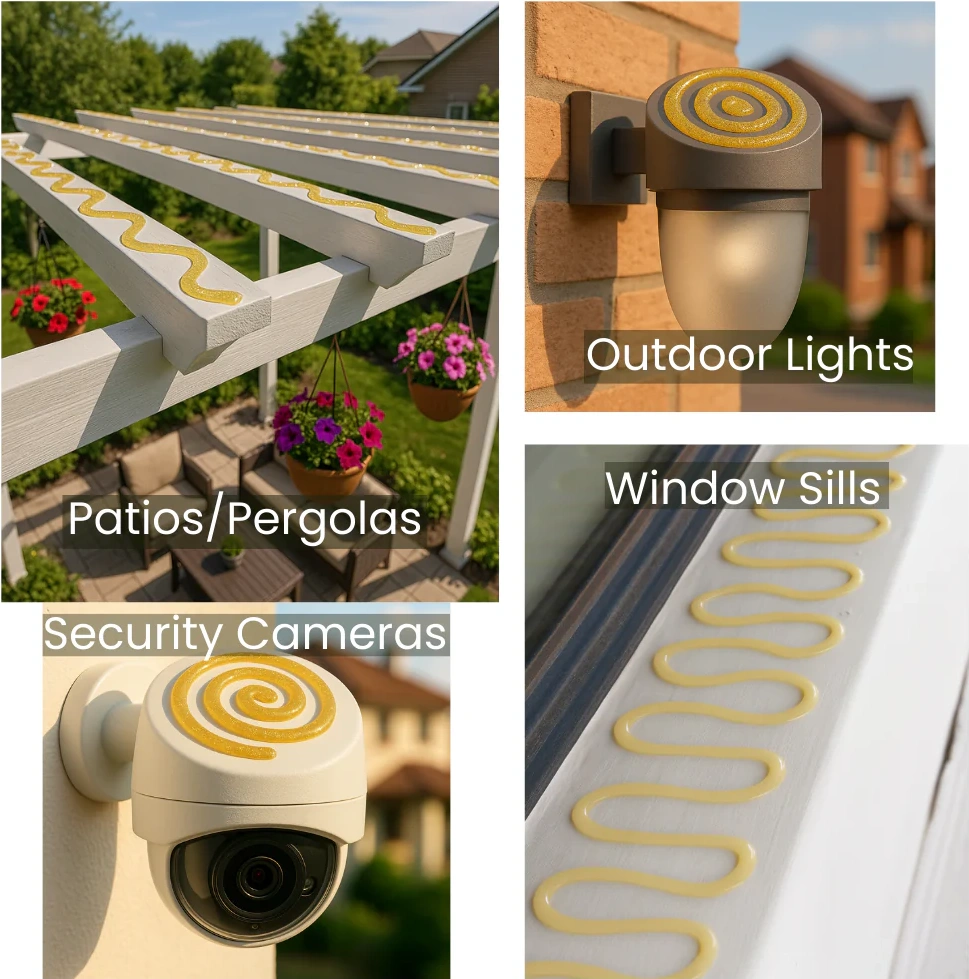
- Barns and farms: on beams, exposed wood, roof edges, and interior walkways, where birds are usually in constant search of quiet places to nest or rest.
- Warehouses and storage: on shelves, barriers, windows, and storage surfaces, to prevent birds from contaminating stored materials or equipment.
- Balconies and railings: in residential buildings, multi-story balconies, and open areas that are prone to bird gatherings.
- Technical devices: surveillance cameras, outdoor lighting units, solar panels, air conditioning surfaces, where birds can cause damage or malfunction.
- Advertising facades and public areas: especially places where it is difficult to install nets or traditional nails.
When is bird gel used?
- Before the nesting season: often before March, to prevent birds from choosing surfaces as nesting points.
- During increased bird activity: in migration seasons or when food sources are abundant, where birds gather on surfaces in search of food and safety.
- As a continuous preventive measure: to ensure that surfaces remain clean and free of birds throughout the year, whether in agricultural, commercial, or residential buildings.
Method of use
- In cold weather, place the tube in the sun for 15 minutes or in hot water for 10 minutes to soften the wax.
- Ensure the surface is clean and dry before application. Dirty or wet surfaces reduce the adhesion and effectiveness of the wax.
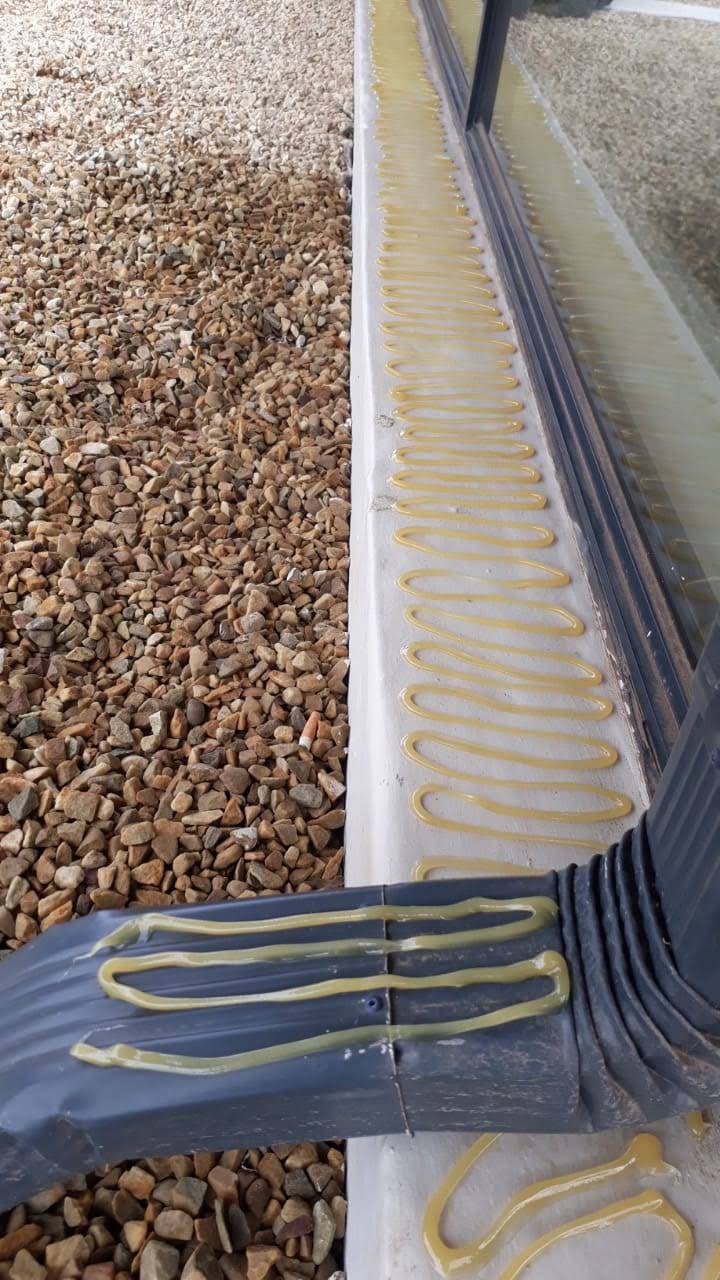
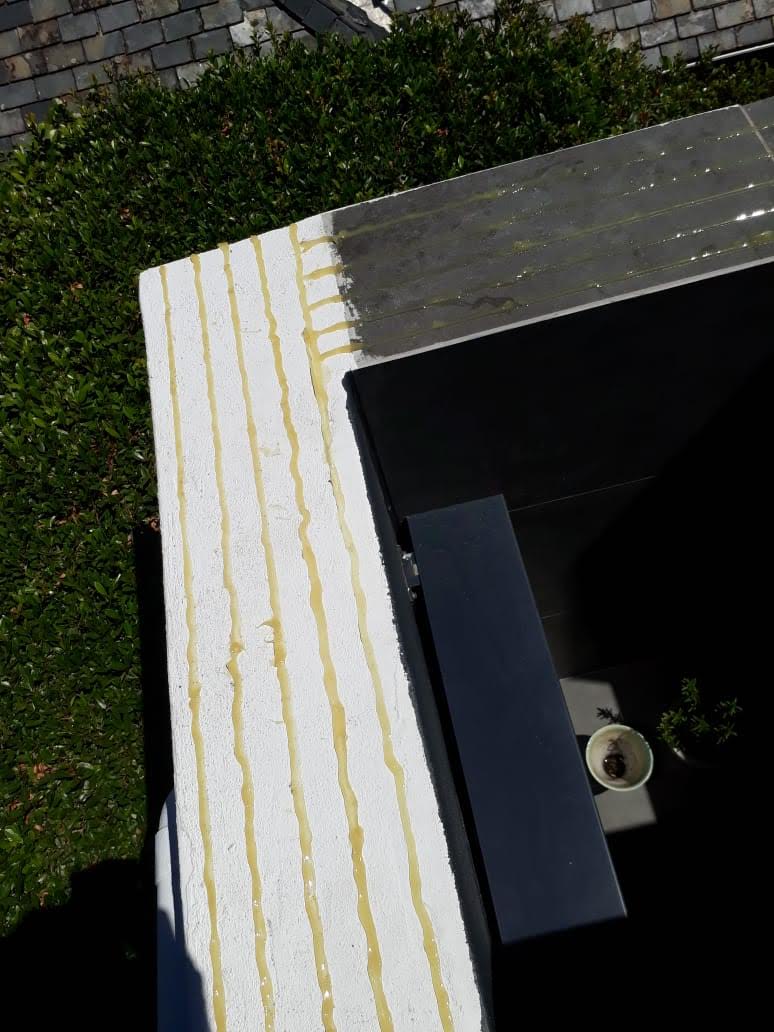
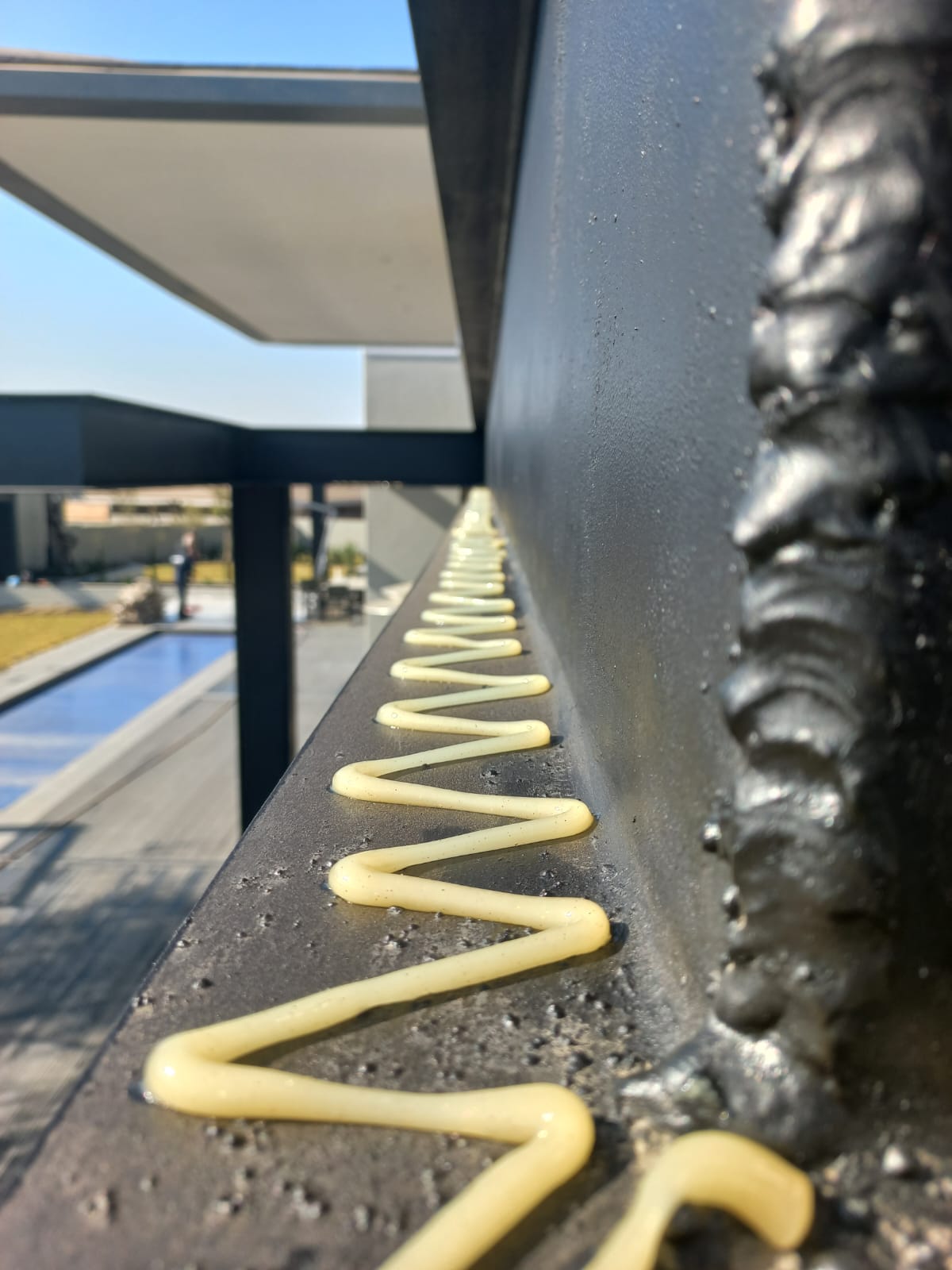
- Apply a continuous thin line 2–3 mm wide on the surface to be protected.
- On wide surfaces, apply two or three parallel lines or use a zigzag pattern to ensure comprehensive coverage.
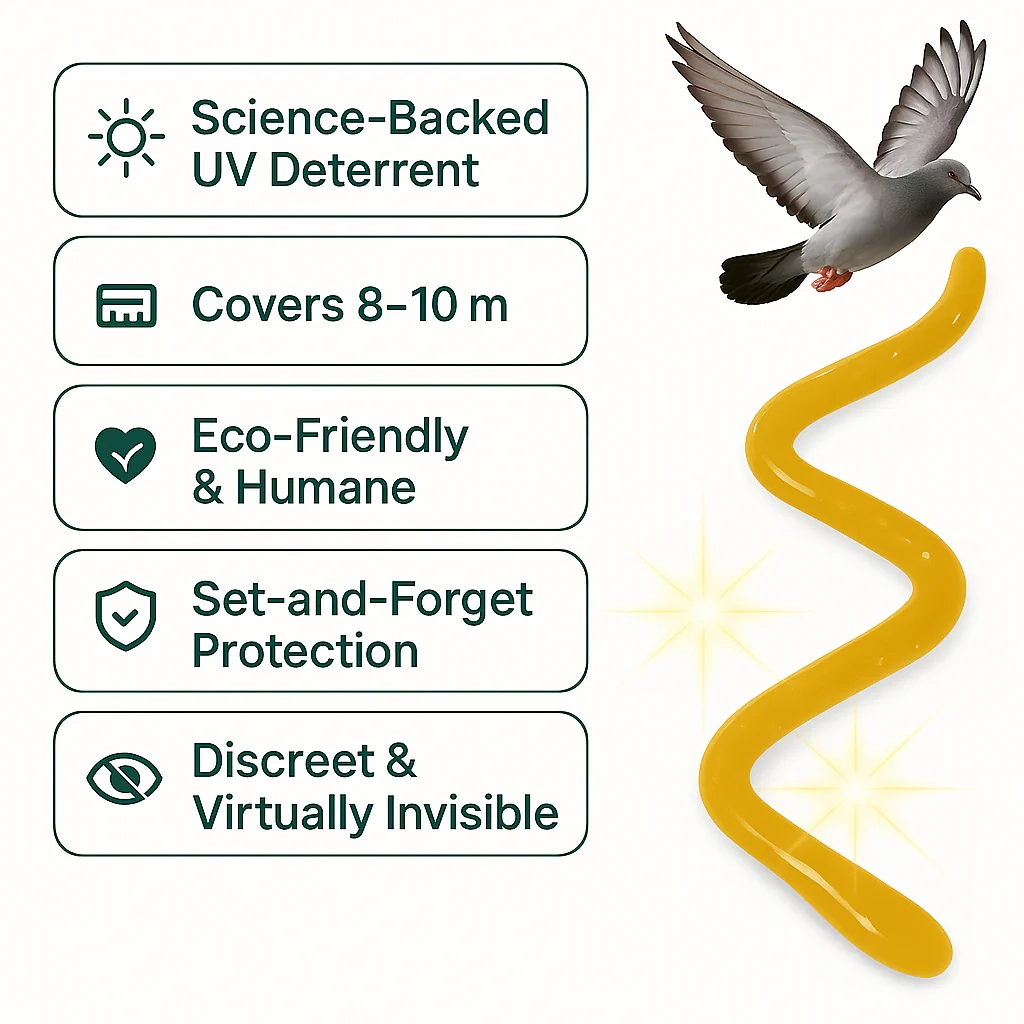
- One tube covers approximately 8–10 linear meters.
- Do not use at temperatures below 0° Celsius or above 50° Celsius.
- Do not apply to wet or dirty surfaces.
- Avoid contact with eyes and mouth during application.
- Wash hands after application.
- Scrape off excess wax.
- Clean residues using paraffin.
How does a bird see bird deterrent gel ?
Does the bird repellent gel move from its place?
Can birds eat it?
Weather and seasonal resistance
- The wax is stable on the surface and only moves when scraped or exposed to very high heat.
- It is resistant to rain and snow when applied to a dry surface.
- Effective in all seasons: winter, summer, spring, and fall.
- It works in direct sunlight, shade, and cloudy days thanks to the reflection of ultraviolet rays.
- Cold weather makes the wax harder, and high heat makes it a bit softer, but with adherence to the application method, it remains effective throughout the year.
When can you expect results?
- The visual and tactile deterrent effect begins immediately upon application.
- Small to medium birds like pigeons, sparrows, and starlings often stay away within a few days.
- Larger birds like crows may require additional applications or integration with other solutions if they are highly active.
- Long-lasting protection: two years outdoors and five years indoors without the need for reapplication.
Target bird species
- Small to medium birds: pigeons, sparrows, starlings, and others.
- Large birds (like crows): reduces gathering but may require repeated application or integration with additional methods.
Comparison of different bird repellent solutions
| Method | How it works | Best for | Disadvantages |
|---|---|---|---|
| Spikes | Plastic or metal strips with thin, harmless metal or plastic spikes are installed to prevent birds from finding a place to perch or nest. | Narrow edges such as building edges, signs, air conditioners, railings | Not suitable for large or flat surfaces, and it only prevents perching, not flying or approaching. |
| Nets | A special net is installed around or above the area to be protected to prevent birds from accessing or nesting inside. | Agricultural barns, warehouses, hangars, open roofs, and storage areas | Requires specialized planning and installation, may affect the exterior appearance in some locations, and needs regular maintenance. |
| Optical Bird Wax | A sticky texture that prevents landing. | Small edges and surfaces, balconies, technical devices, storage areas | Requires application on clean, dry surfaces. |
| Electronic devices (Sonic/Ultrasonic) | Emit sounds of predatory birds and annoying, frightening frequencies that drive pigeons and sparrows away from the area. | Large warehouses, factories, farms, wide roofs, open areas | Some birds get used to the sound and it may not work under all conditions or in noisy places. |
Bird Deflectors | Reflect light and move with the air, creating a visual flash that confuses birds and makes the area uncomfortable for them. | Gardens, balconies, open roofs, trees, agricultural areas | Its effectiveness depends on light and movement, and some birds may get used to it over time if its location is not changed. |
Why does bird gel not lose its effectiveness over time?
The difference between high-quality bird deterrent gel and regular types:
- Dissolving quickly in high heat.
- Drying or cracking after a short period.
- Loss of transparency and visual effect.
- Weak adhesion to the surface.
- Better stability in different temperatures.
- Greater resistance to sunlight.
- Longer-lasting sticky texture.
- Transparency that allows the visual effect on birds to continue.
Does the gel affect the appearance of the building?
- Modern buildings.
- Glass facades.
- Commercial signs.
- Residential balconies.
Can bird gel be used with other solutions?
- Using spikes on long edges
- Using gel in corners or small surfaces
- Using netting to close large gaps
Relying on this solution means you are choosing effectiveness, safety, and sustainability at the same time, and putting an end to bird problems in a humane and smart way.
Contact a bird control company in Amman Jordan
Whether you want to purchase bird repellent gel or have it installed by our specialized team, we are here to help you. Contact us now for a free consultation at 0770277555 and determine the best solution to protect your site from bird gatherings.