
You wake up in the morning and notice a small red spot on your arm, then another spot appears directly close to it.
Is this just a spider bite? Or did bed bugs sneak into your bed during the night?
Whatever the reason, knowing the early signs is important for dealing with the problem. In this article, we will discuss the difference between spider bites and bed bug bites, ways to relieve itching, and when to call a pest control company.
Pest Control Company
How do you differentiate between a spider bite and a bed bug bite?
At first glance, spider bites and bed bug bites may look exactly the same. But by closely examining their shape, timing, how you feel, and where they appear, you will know the type of insect.
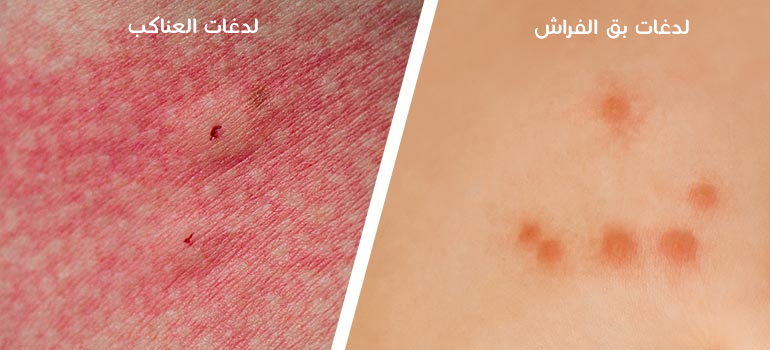
Spider bites are usually just one mark and a slightly larger bump, sometimes with a small hole in the center. You may feel the sting itself at the moment it happens.
On the other hand, bed bug bites tend to appear in groups or straight rows, often during the night, on any area of skin that was exposed while sleeping.
The difference lies in the reason behind each bite: spiders bite in self-defense or when they feel threatened, while bed bugs bite to feed on blood. This simple difference determines everything: when the signs appear, where they appear, and how you feel.
|
The Mark |
Spider Bite |
Bed Bug Bite |
|
Number of Bites |
Usually, only one mark appears, resulting from a random sting when the spider feels threatened or trapped. |
They often appear in groups or orderly rows, and this pattern is commonly referred to as breakfast, lunch, and dinner. |
|
Size |
They are usually larger and more noticeable, with slightly swollen or raised skin. |
Small red bumps that are similar in size and shape. |
|
Appearance |
Red and slightly swollen, sometimes with a small blister or a clear hole where the skin was pierced. |
Small round red spots that cause itching, with no clear bite mark; they may swell when scratched. |
|
Pain or itching |
You often feel a sting or pain right after the bite, which gradually decreases after a few hours. |
They are rarely painful at first, but later turn into severe itching, often after waking up. |
|
Location on the body |
They can appear anywhere on the body, especially under clothing, bedding, or inside shoes, where the spider may hide. |
They usually appear on exposed areas during sleep, such as the arms, shoulders, neck, face, or legs. |
|
Timing of the bite |
They can occur at any time, often accidentally when the spider is disturbed. |
They often happen during nighttime, as bed bugs feed in the dark. |
|
Cause of the bite |
A defensive reaction that occurs when the spider feels surprised or threatened. |
Part of their feeding method, as bed bugs rely on human blood to survive. |
|
Other symptoms |
Mild redness, a feeling of warmth or swelling, and rarely, sensitive individuals may experience nausea, dizziness, or fever. |
Persistent itching and redness, and repeated scratching may lead to minor infections or a mild allergic reaction. |
|
Severity level |
The severity is very low. Only some species like the false widow spider or wood spider can bite humans, and most cases are mild. |
Moderate severity. The infection can spread quickly, causing ongoing discomfort or sleep disturbances. |
|
Dealing with the injury |
Gently wash the area with soap and warm water, apply cold compresses or antiseptic, and seek medical help if swelling increases. |
Clean the area well, apply calamine lotion or any anti-itch cream, and contact a pest control company to eliminate the infestation. |
Spider bites
How do you know if the bite is from a spider?
Many people imagine severe swelling, but in reality, spider bites are usually mild. Serious cases are very rare. A few species, like the false widow spider and the wood spider, can penetrate human skin, and even these species are not aggressive by nature.
A spider bite usually appears as a raised bump. It may sting or feel warm right away, then gradually lessen over an hour or two.
You may notice a small dot in the center of the bite, which helps you distinguish it from other insect bites. In some sensitive cases, the skin may swell slightly or a small blister may appear.
Bed bug bites
How do you know if the bite is from a bed bug?
Bed bug bites have a distinctive pattern once you know what to look for. Unlike spider bites, which usually appear as a single bite, bed bug bites often appear in groups or orderly rows.
Each bite is small, red, round, and causes intense itching, and may sometimes form raised bumps.
They usually appear on exposed areas while sleeping: the arms, legs, shoulders, or neck. Unlike spider bites, there is no clear hole in the center.
Bed bugs numb the area while feeding, so you don't feel anything at first, and itching usually starts in the morning. Check your mattress for small blood spots on the sheets, or dark spots in the folds of the mattress, or foul odors, all of which are signs of bed bugs.
spiders bites
Symptoms and reactions for both spider and bed bug bites
Both spider and bed bug bites cause redness and itching, but your body may react differently to each.
Spider bites usually cause mild swelling, tenderness, and redness, and small blisters or bruises may appear. Severe reactions are very rare, but it is advisable to consult a doctor if you feel unwell.
As for bed bug bites, the itching is much more intense than the pain. Repeated scratching may lead to infections or redness in sensitive skin. Continued irritation may cause mild allergic reactions or sleep disturbances.
The main difference: Spider bites cause more pain than itching, while bed bug bites cause severe itching and are rarely painful.
Bed bug bite
How to treat bites and when to seek help
Treatment for spider and bed bug bites is usually simple, but early intervention prevents the condition from worsening.
For spider bites, gently wash the skin, apply a cold compress, and cover any blisters if they appear. Antihistamines can relieve itching, but you should consult a doctor if the redness spreads or if a fever develops.
For bed bug bites, wash the area well and apply a disinfectant or calamine lotion. Avoid scratching to prevent infections.
In the end, it is essential to eliminate the insects themselves, as creams only provide temporary relief.
Spider bite
Why do spiders and bed bugs bite humans?
Understanding the reason for these bites makes them less bothersome. Spiders and bed bugs bite for completely different reasons.
Spiders bite humans only when they feel trapped or surprised. They do not seek out humans or care to feed on them. If they get caught in your clothes, they may bite quickly before escaping, leaving only a small mark.
Bed bugs, on the other hand, operate with a specific purpose. They wait until you are asleep, then are drawn to your warmth and feed on your blood for a short time before disappearing into their hiding place. Their bites continue repeatedly and regularly until the infestation is eliminated.
Spider bites
Timing and location of bites
The easiest way to distinguish between a spider bite and a bed bug bite is to remember when and where you were bitten.
Spider bumps can appear at almost any time, often by chance.
You might touch one while wearing a jacket, or put on a shoe in a dark corner, or search through a dusty box. If you feel a surprise, it stings quickly and then disappears before you notice it.
Bed bugs, on the other hand, have a different approach. They remain hidden during the day in mattresses and furniture, and at night, they track your warmth, feed on your blood for a short time, and then disappear again.
Pest control company
Pest control experts can solve any problem with spiders or bed bugs.
Home remedies may help a little with itching or swelling, but they rarely address the real problem completely.
You might vacuum or spray the corners and think the problem is over, but spiders usually return as soon as you stop monitoring, and bed bug eggs stubbornly cling to fabrics.
Both are harder than most people think, which is why spiders and bed bugs continue to appear even after a thorough cleaning of the home.
Pest control experts know exactly where to look for bed bug infestations. They check the corners you usually avoid, spot the signs you might overlook, and handle the problem professionally and quietly.
While bed bugs hide out of sight, spiders are quiet residents living in the corners of ceilings and garages. Most are harmless, but when webs start to spread faster than you can clean, it's time to call a pest control company. Professional spider removal and control services ensure your home remains free of these eight-legged pests. You can contact our engineering team at Bash Services - 0770277555 and we will assist you immediately.