
1. Bed Bugs
What is bed bug?
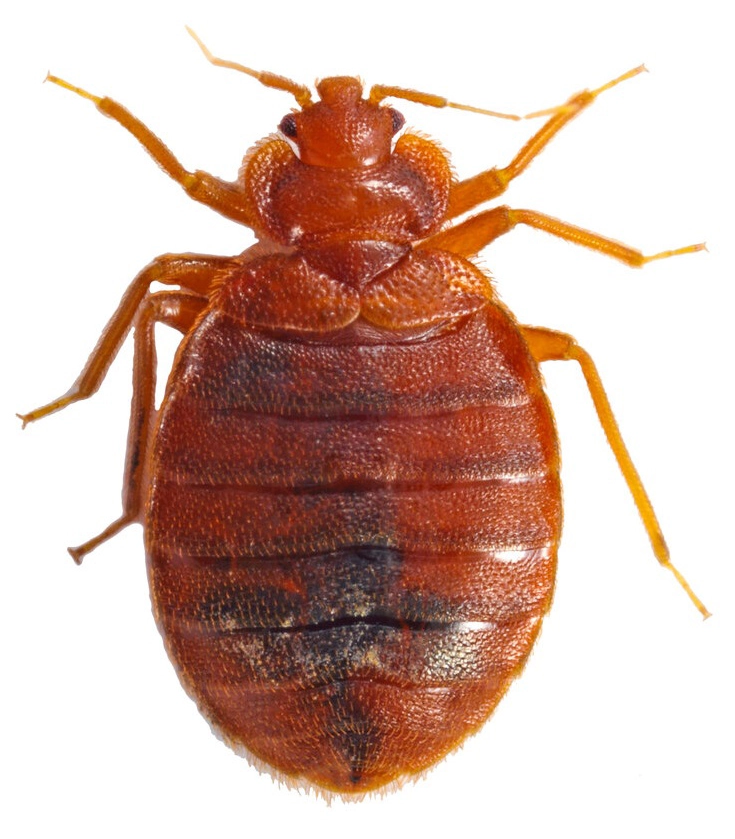
Where do bed bugs hide?
- The folds and edges of mattresses.
- Bed frames.
- Behind the headboards of beds.
- Sofas and upholstered chairs.
- The small cracks in the walls and furniture.
- Behind the paintings and wallpaper.
- Inside some openings near sleeping areas.
How does the bite occur?
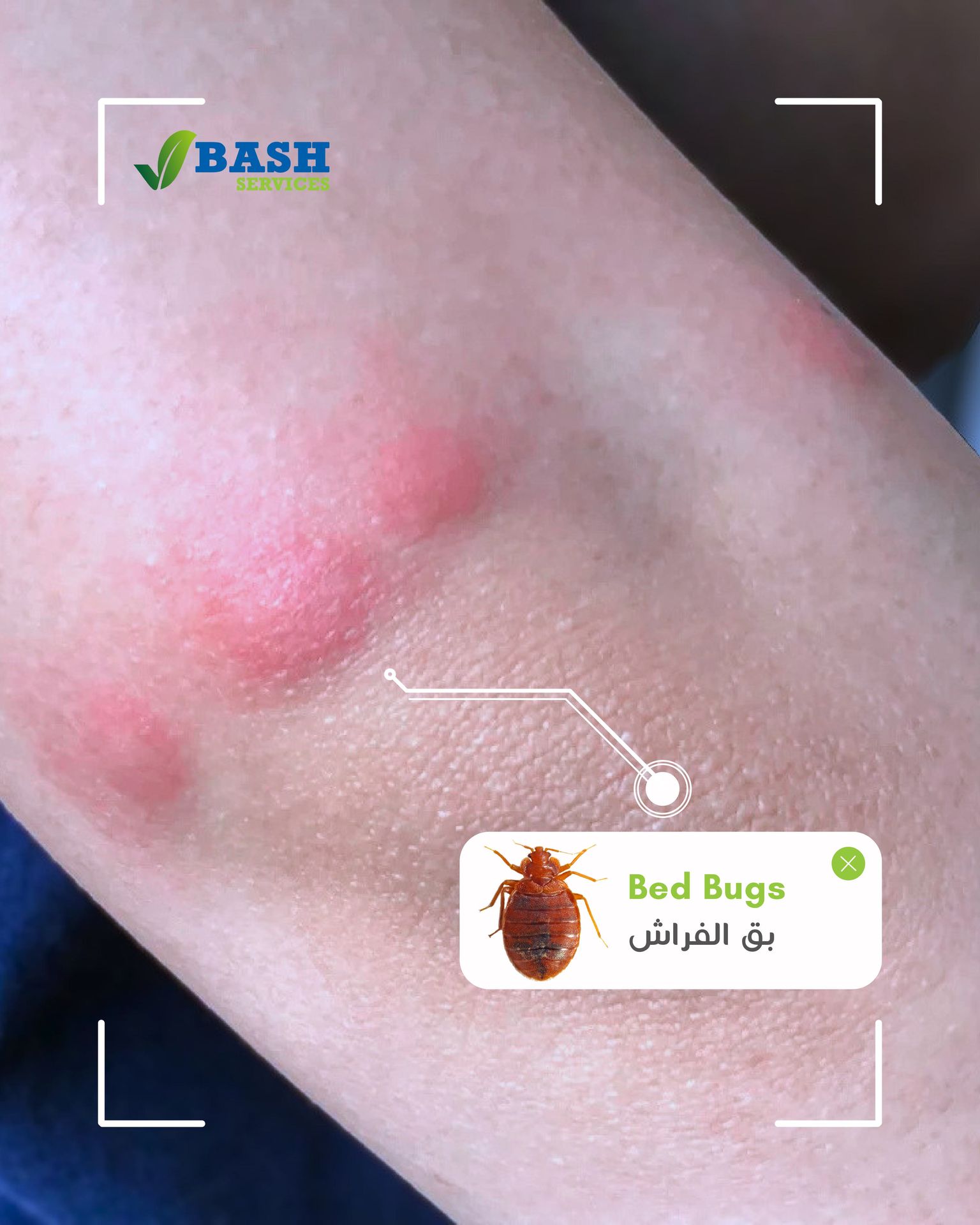
What does a bed bug bite look like?
- Small red itchy spots.
- Slightly raised bumps on the skin's surface.
- Bites that appear in a line or close clusters.
- They may be more noticeable after waking up.
- The arms.
- The neck.
- The face.
- The shoulders.
- The legs.
Associated symptoms
- Itching ranging from mild to severe.
- Redness of the skin.
- Slight swelling.
- Skin irritation due to constant scratching.
Signs of Bed Bug
- Small black spots on bed covers or mattresses.
- Small blood spots on sheets.
- Presence of empty skins resulting from the insect molting.
- A distinctive odor in cases of severe infestation.
- Seeing the insect or eggs in hiding places.
Prevention
- To reduce bed bug infestation:
- Inspecting bags after travel.
- Not placing luggage on the bed in hotels.
- Washing clothes after returning from travel when suspected.
- Inspecting used furniture before bringing it into the home.
- Treating injuries early before they spread.
2. Fleas
What are fleas?
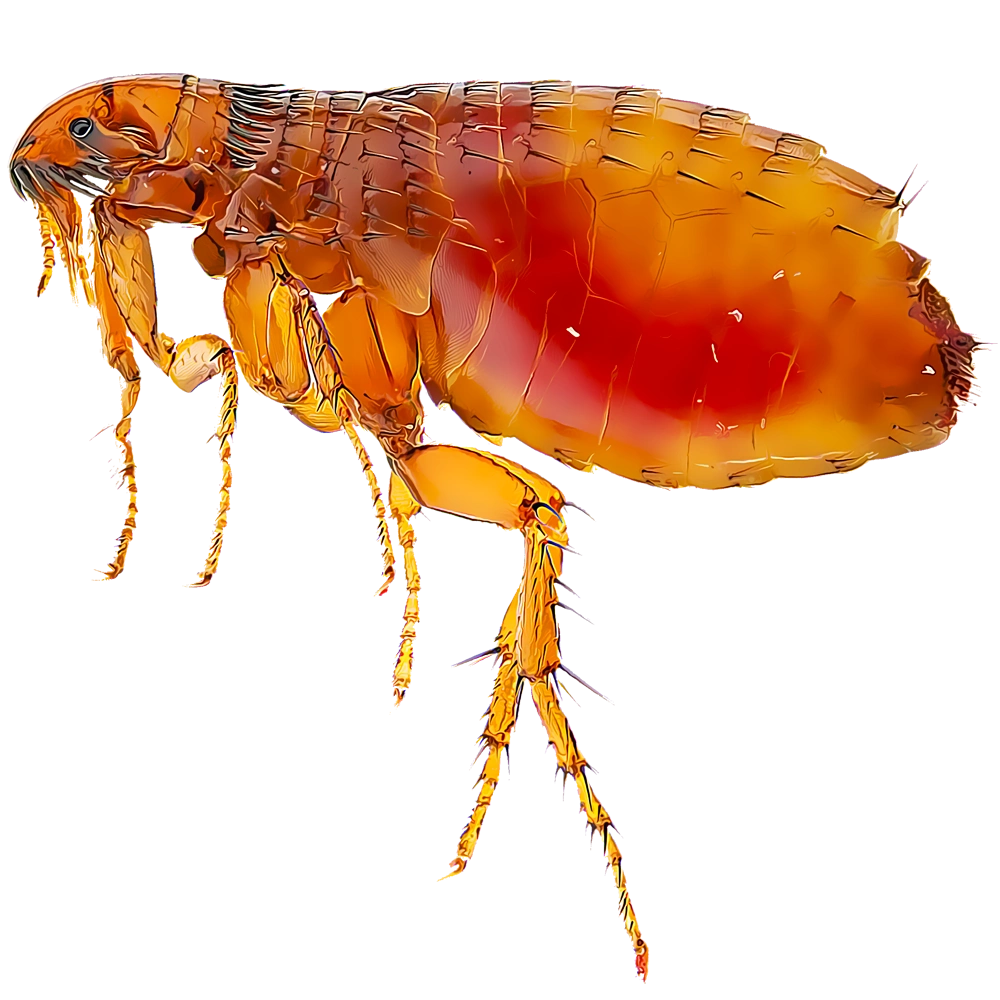
Where do fleas live?
- Pet fur.
- Carpets.
- Upholstered furniture.
- Pet bedding.
- Damp and shaded areas.
- Cracks in the flooring.
How does a sting occur?
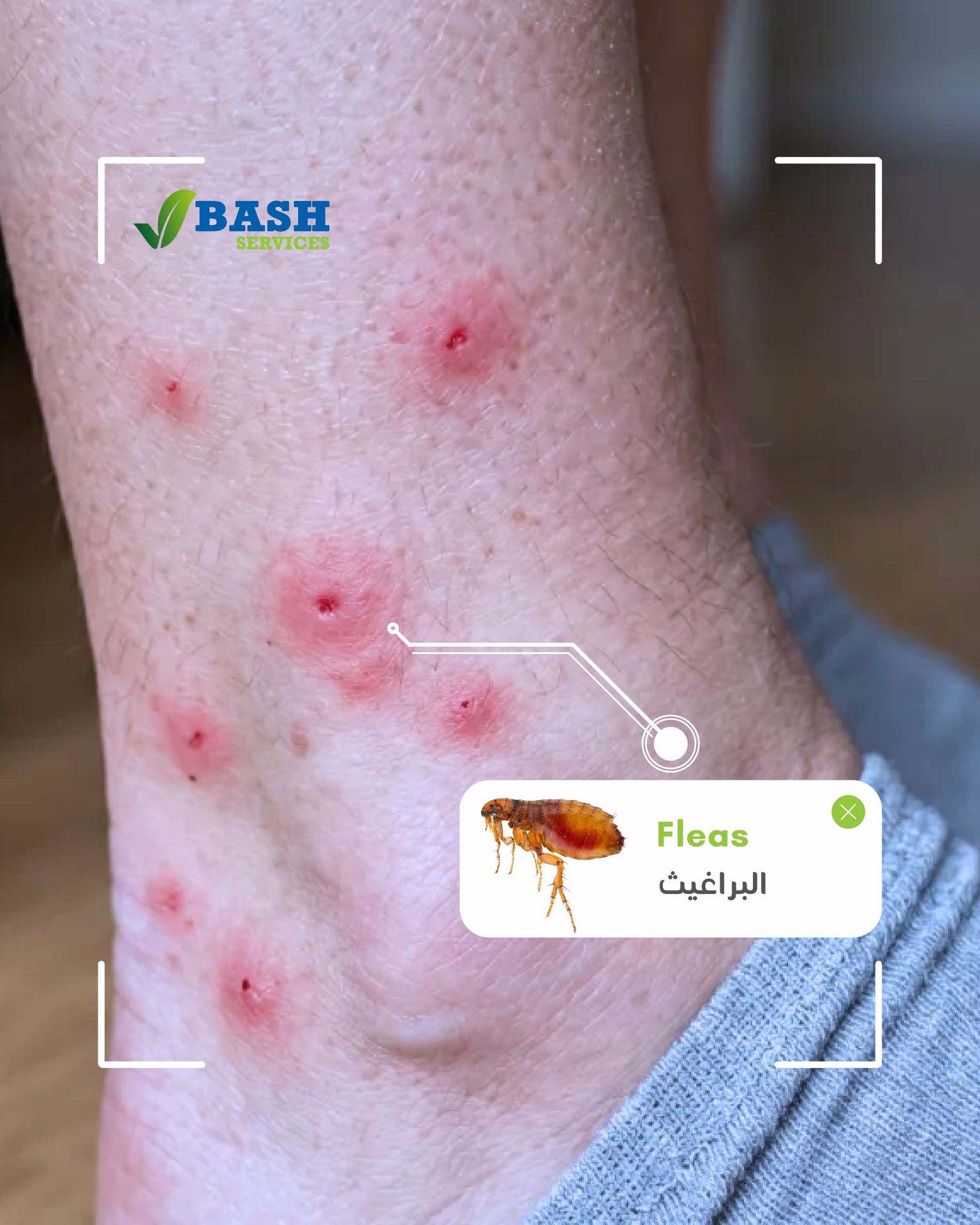
What does a flea bite look like?
- Small red bumps that cause itching.
- They often appear around the ankles and lower legs.
- They are usually in clusters or close groups.
- They may have a small red dot in the center.
Why do they often appear on the ankles?
Associated symptoms
- Severe itching.
- Redness of the skin.
- Slight swelling around the bite area.
- Skin irritation due to scratching.
Flea prevention
- Regularly treating pets for fleas.
- Continuously cleaning carpets and upholstery.
- Washing pet covers.
- Cleaning the areas where fleas hide.
- Treating the infestation comprehensively because eggs and larvae may remain in the surrounding environment.
When do you need professional pest control?
If bites continue to appear despite cleaning, or if fleas are noticed spreading inside the home or facility, professional treatment becomes necessary due to the flea's life cycle, which includes stages that are not easily visible to the eye.
3. Mosquitoes (Mosquitoes)
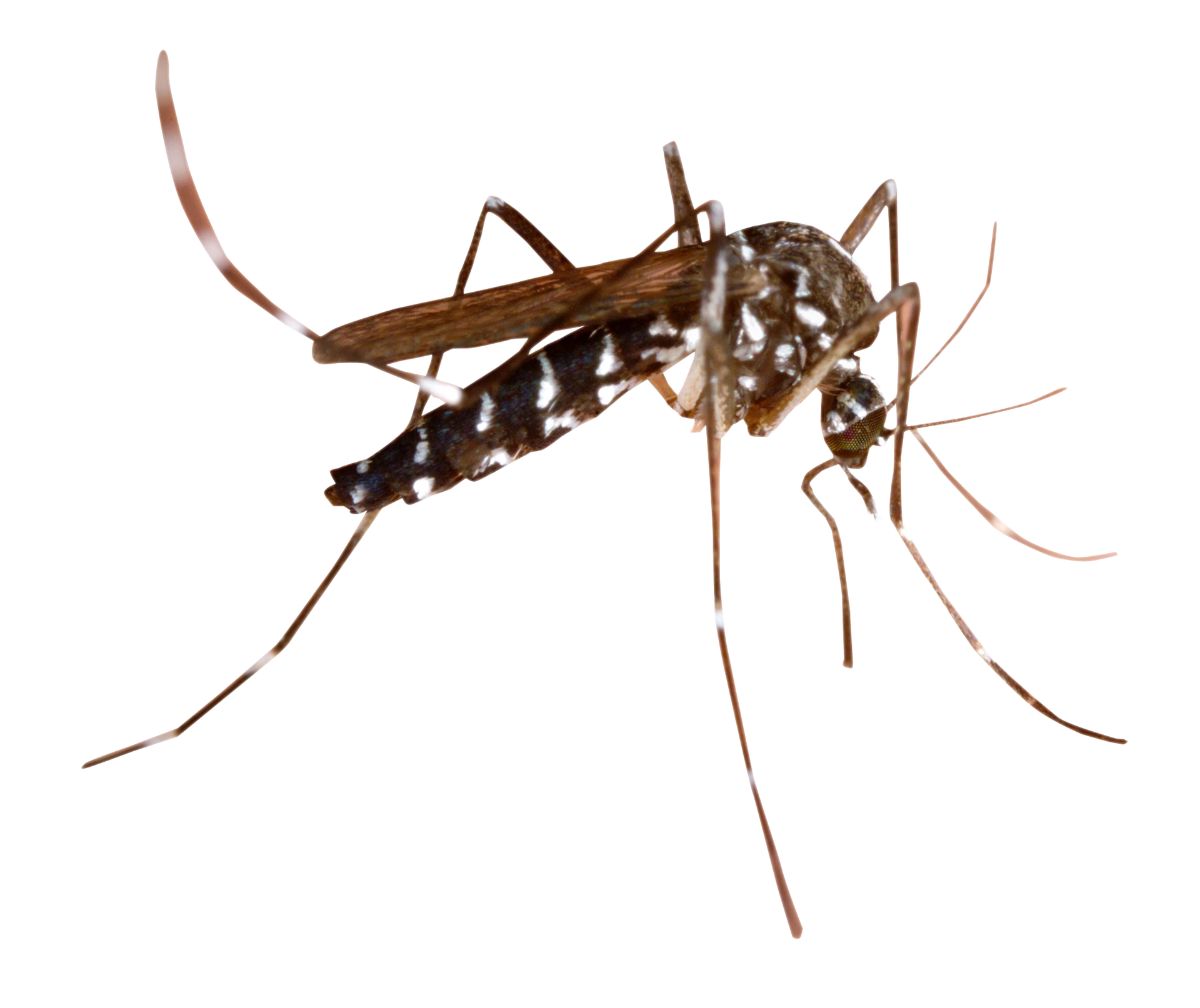
What is a mosquito?
Mosquitoes are among the most widespread insects in the world and are one of the most common pests that humans encounter. Mosquitoes belong to small flying insects, and females need blood to produce eggs, while males often feed on plant nectar.
The problem with mosquitoes is not only the annoyance caused by bites, but some species of mosquitoes are capable of transmitting certain disease agents in specific areas of the world.
Where do mosquitoes live?
The spread of mosquitoes is primarily associated with the presence of water, where females lay eggs in water collection areas such as:
- Stagnant water.
- Open water tanks.
- Plant containers.
- Small ponds.
- Drains and areas of moisture accumulation.
Large numbers of mosquitoes can breed from very small water sources that people do not easily notice.
When are mosquitoes most active?
The activity period of mosquitoes varies by species and environment, but many species are most active during:
- Evening hours.
- Night.
- Early morning hours.
- Their prevalence increases during warm months due to the rapid life cycle with rising temperatures.
How does a mosquito bite occur?
Female mosquitoes use delicate mouthparts to penetrate the skin and suck blood. During the bite, a small amount of saliva is injected into the skin, and this saliva is the main reason for the appearance of itching and redness.
The immune system reacts to the components of the saliva, leading to the appearance of the known skin signs.
What does a mosquito bite look like?
Mosquito bites often appear as:
- A small raised bump on the skin's surface.
- Red or pink color.
- Noticeable itching.
- A slight swelling may appear around the bite site.
The bite is often:
- Single.
- Not connected to others.
- Appearing on exposed areas of the body.
- Locations of mosquito bites
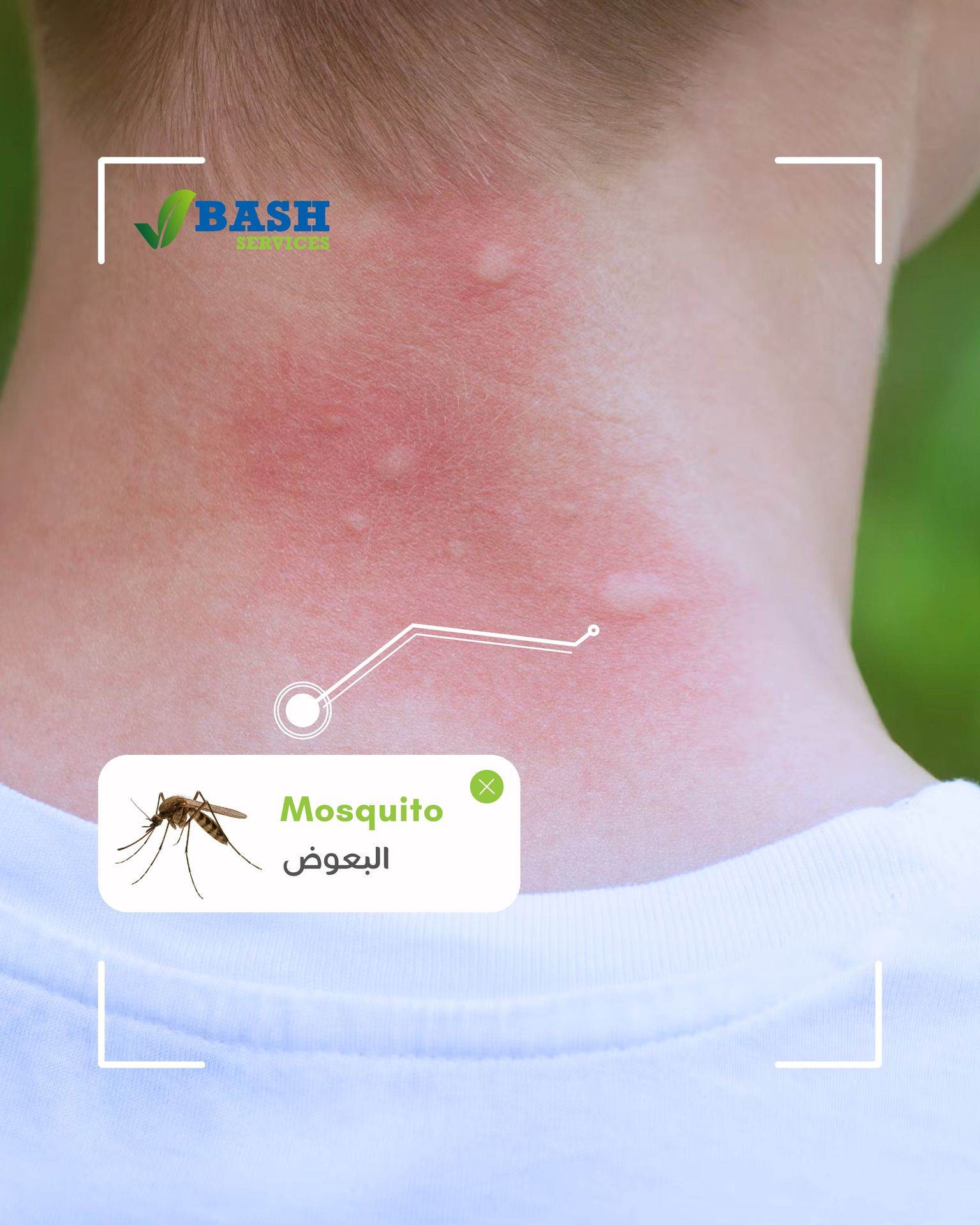
Bites can appear anywhere exposed during mosquito exposure, such as:
- The arms.
- The legs.
- The face.
- The neck.
- The hands.
- Associated symptoms
The severity of symptoms varies from person to person and may include:
- Mild or severe itching.
- Redness of the skin.
- Localized swelling.
- A sensation of warmth or irritation.
Some people, especially children or those with sensitive skin, may have larger areas of swelling.
Why do mosquitoes bite some people more than others?
Mosquitoes are attracted to various factors, including:
- The amount of carbon dioxide a person emits while breathing.
- Body heat.
- Natural skin odor.
- Movement and activity.
- Some chemical compounds found in sweat.
This is why some people may notice they get bitten more than others.
First aid
To relieve the symptoms of a mosquito bite:
- Wash the area with water and soap.
- Apply cold compresses to reduce swelling.
- Avoid scratching the skin.
- Use soothing creams for itching as needed.
Mosquito prevention
Prevention methods include:
- Getting rid of stagnant water.
- Covering water tanks.
- Using window screens.
- Using insect repellent.
- Cleaning outdoor areas of water accumulation sources.
4. Ticks
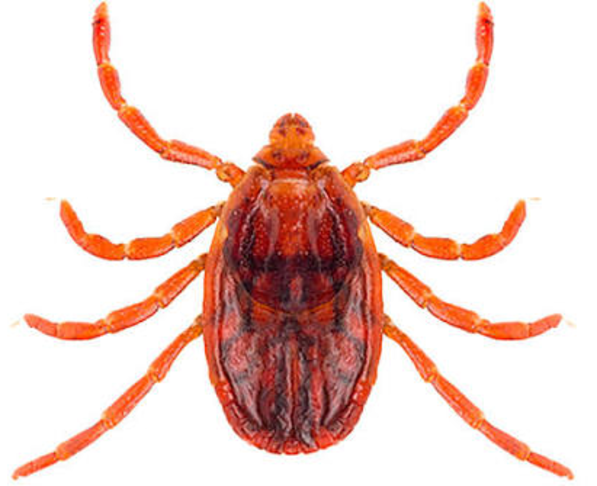
What is a tick?
A tick is not an insect; it belongs to the arachnid group and is considered a pest that feeds on the blood of humans and animals.
Ticks have a high ability to attach to the skin and remain for long periods while feeding, and a person may not feel its presence at first due to the secretion of substances that reduce sensation during attachment.
Where do ticks live?
Ticks are often found in:
- Grassy areas.
- Gardens.
- Agricultural areas.
- Places where animals are present.
- Areas with dense vegetation.
- They can transfer to humans by walking or sitting in places that contain ticks.
How does a tick bite occur?
When a tick reaches the body, it looks for a suitable place to attach, then anchors itself into the skin and begins to suck blood.
A tick may remain attached for a long time, so it is important to check the body after being in areas that may contain them.
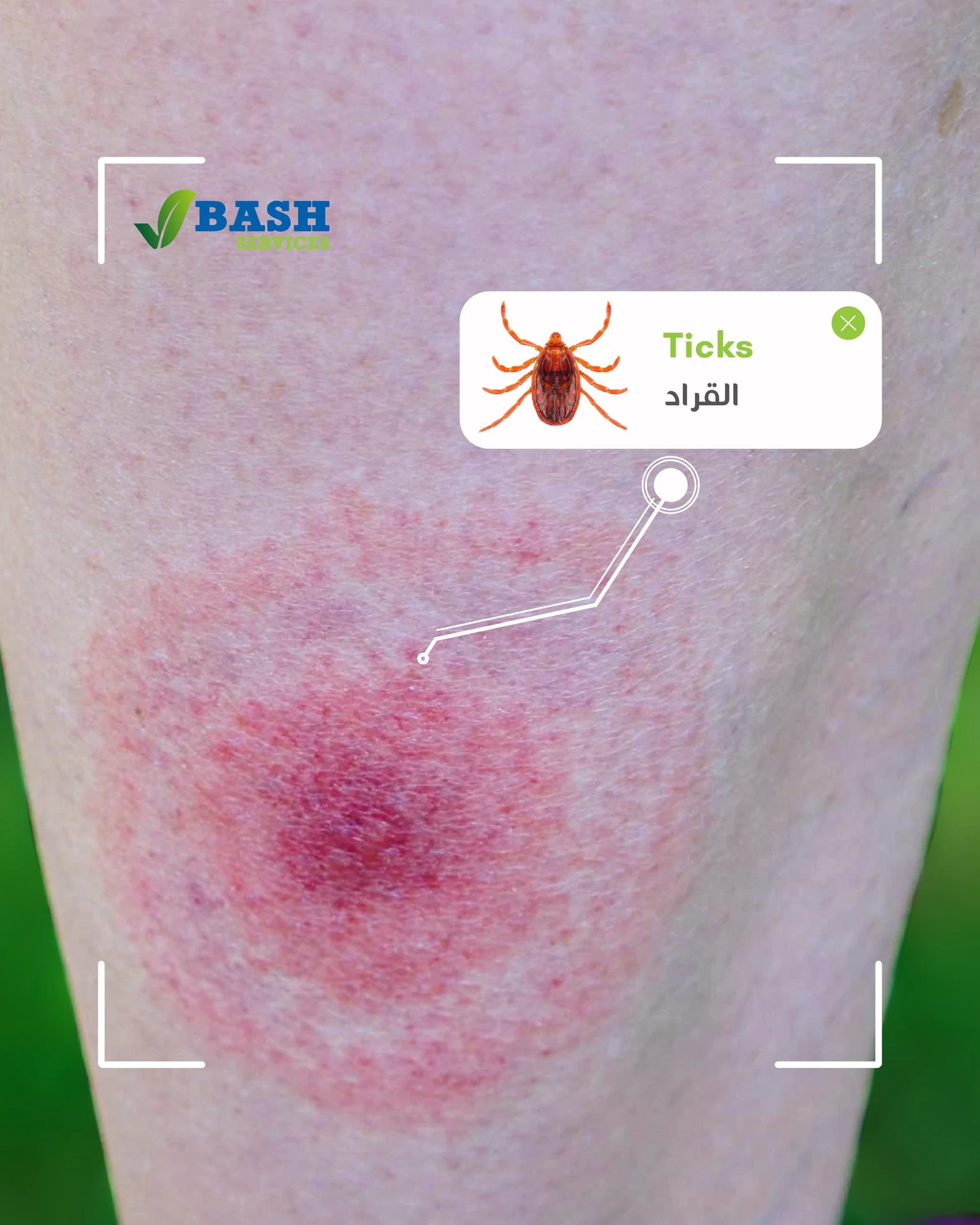
What does a tick bite look like?
The bite may initially appear as:
- A small red spot.
- A simple mark on the skin.
In some cases, a distinctive rash may appear:
- Red circular rash.
- Surrounded by a larger ring resembling a target shape.
- It may gradually expand over time.
Associated symptoms
May include:
- Redness at the bite site.
- Itching or mild irritation.
- Rash.
- Fever.
- Fatigue.
- Headache.
- Muscle or joint pain in some cases.
The appearance of general symptoms after a tick bite warrants a doctor's consultation.
How to properly remove a tick
When finding a tick attached to the skin:
- Use fine-tipped tweezers.
- Grasp the tick close to the skin's surface.
- Pull it out slowly and straight.
- Avoid crushing it or applying chemicals to it.
After removal:
Clean the bite area with soap and water.
Monitor the area over the following days.
Tick prevention
- Wear long clothing when entering grassy areas.
- Check your body after outdoor trips.
- Check pets.
- Avoid sitting directly on tall grass.
5. Wasps
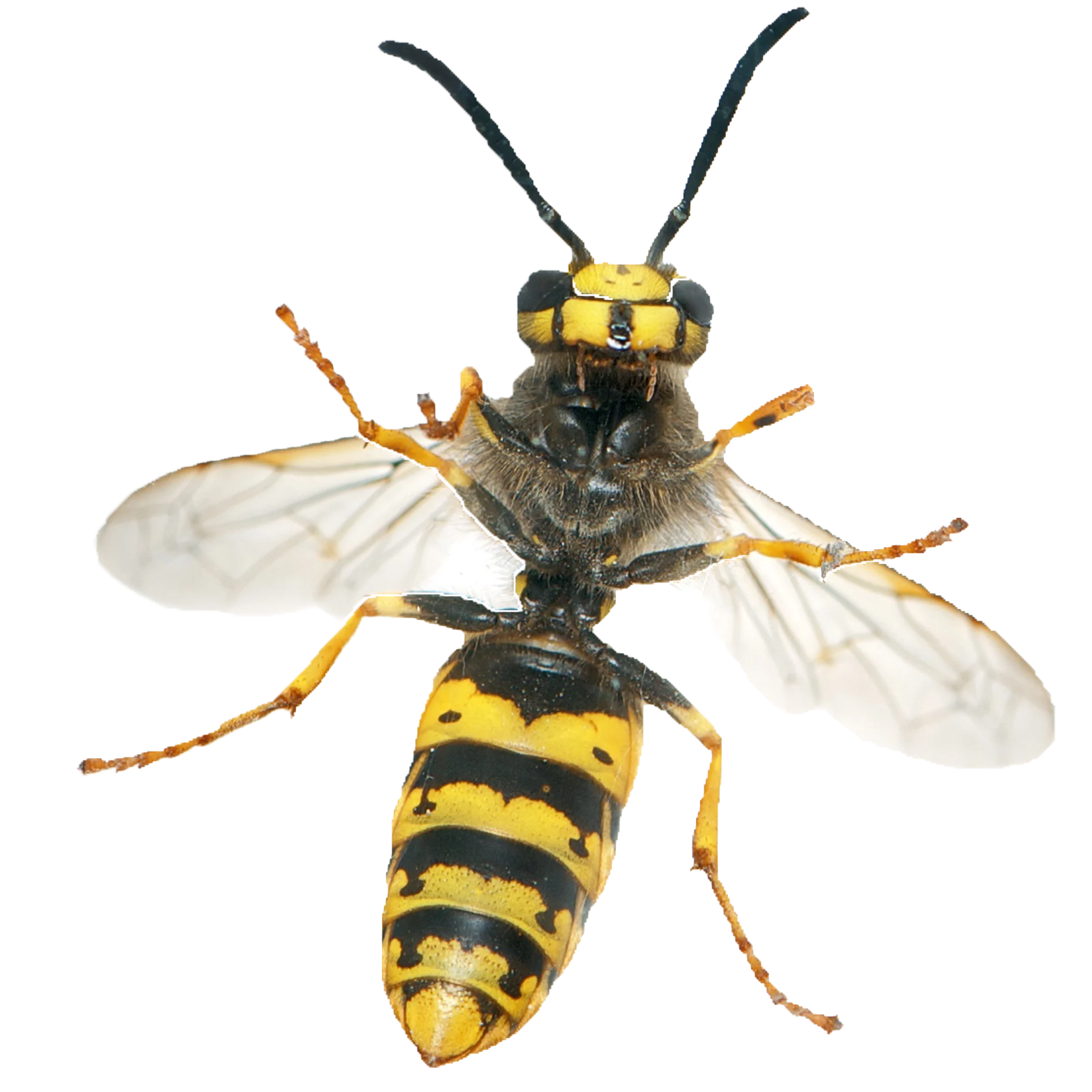
What are wasps?
Wasps are flying insects that belong to the same group as bees, but they differ in behavior and stinging method.
Unlike bees, which often lose their stinger after a sting, wasps can sting multiple times, making them more capable of defending themselves.
Why do wasps sting?
Wasps do not usually attack humans without reason, but they may sting when:
- feeling threatened.
- approaching the nest.
- trying to catch them.
- disturbing them while they are on food or plants.
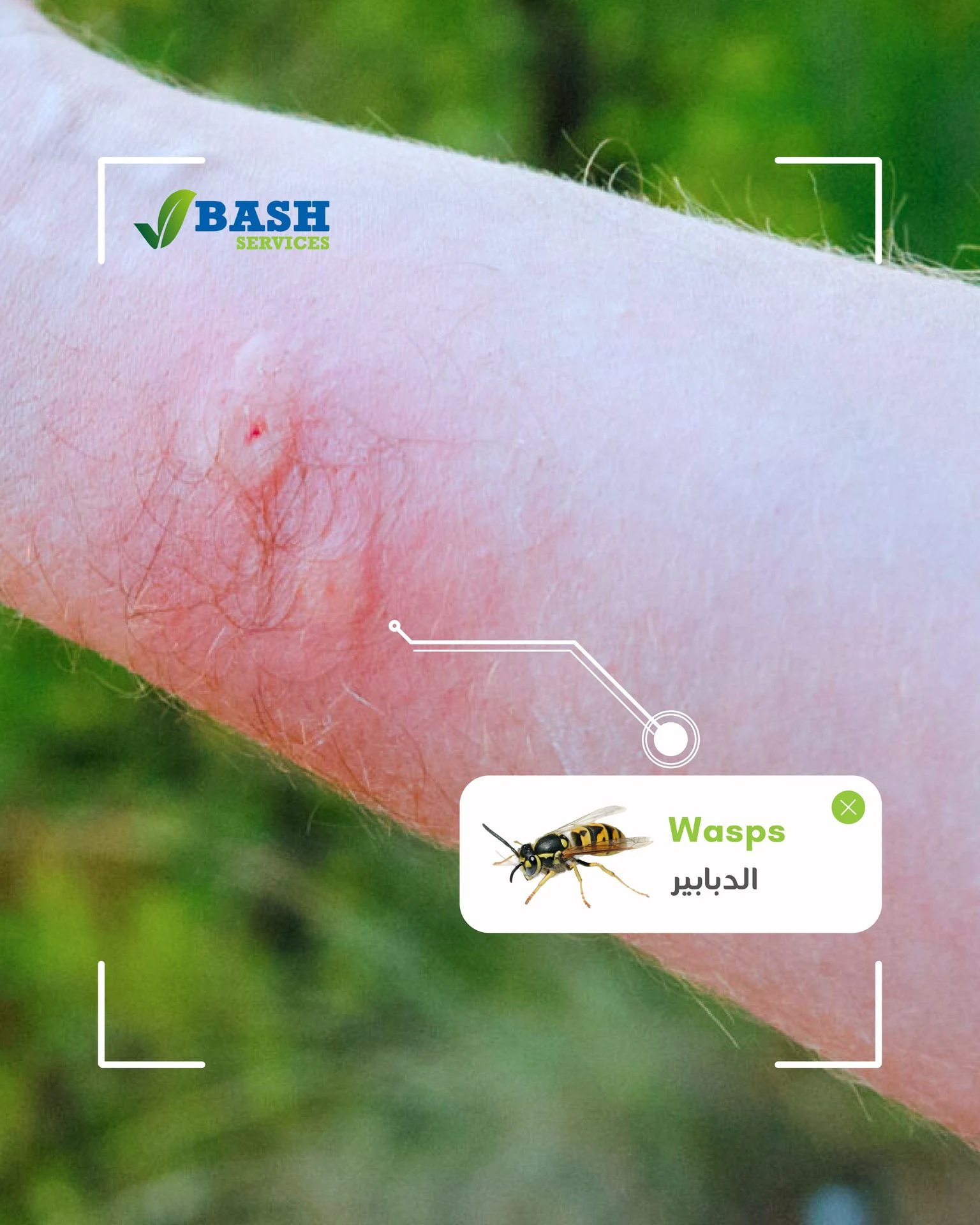
What does a wasp sting look like?
A wasp sting is usually characterized by:
- sharp and immediate pain.
- a burning sensation at the sting site.
- a small prick point at the site of injury.
- redness around the area.
- swelling that may increase over the following hours.
- the area may feel warm to the touch.
Associated symptoms
Local symptoms include:
- noticeable pain.
- redness.
- swelling.
- itching after a while from the sting.
For individuals with severe allergies, symptoms may include:
- difficulty breathing.
- swelling of the face or lips.
- dizziness.
- rapid heartbeat.
These cases require urgent medical intervention.
First aid
- Wash the sting site with soap and water.
- Apply cold compresses to relieve pain and swelling.
- Avoid scratching.
- Monitor for any signs of severe allergic reaction.
- Preventing wasp stings
- Do not approach wasp nests.
- Avoid leaving uncovered food and drinks outside.
- Close trash containers.
- Consult specialists if there is a nest near the home or facility.
6. Fire Ants
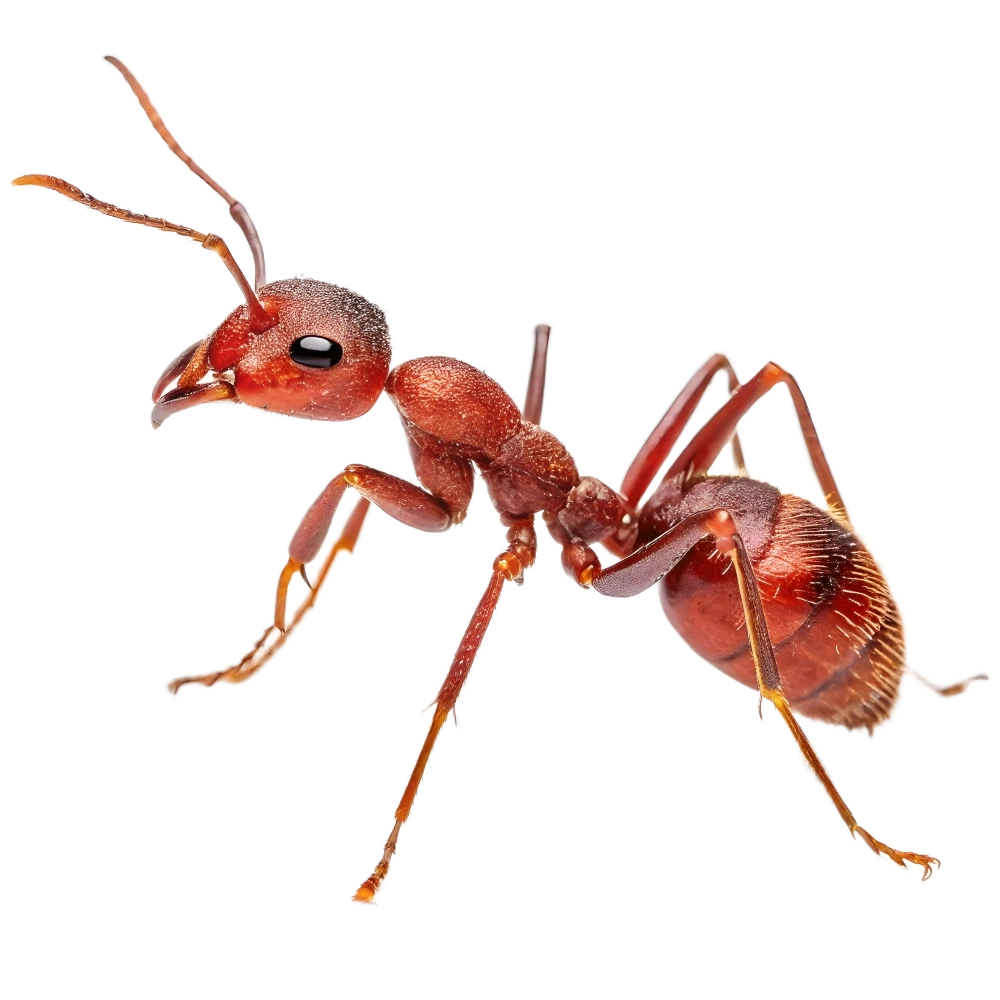
What is fire ant?
Where do they live?
- Gardens.
- Agricultural land.
- Grass areas.
- Moist soil.
- Under stones.
- Around tree trunks.
How does a sting occur?
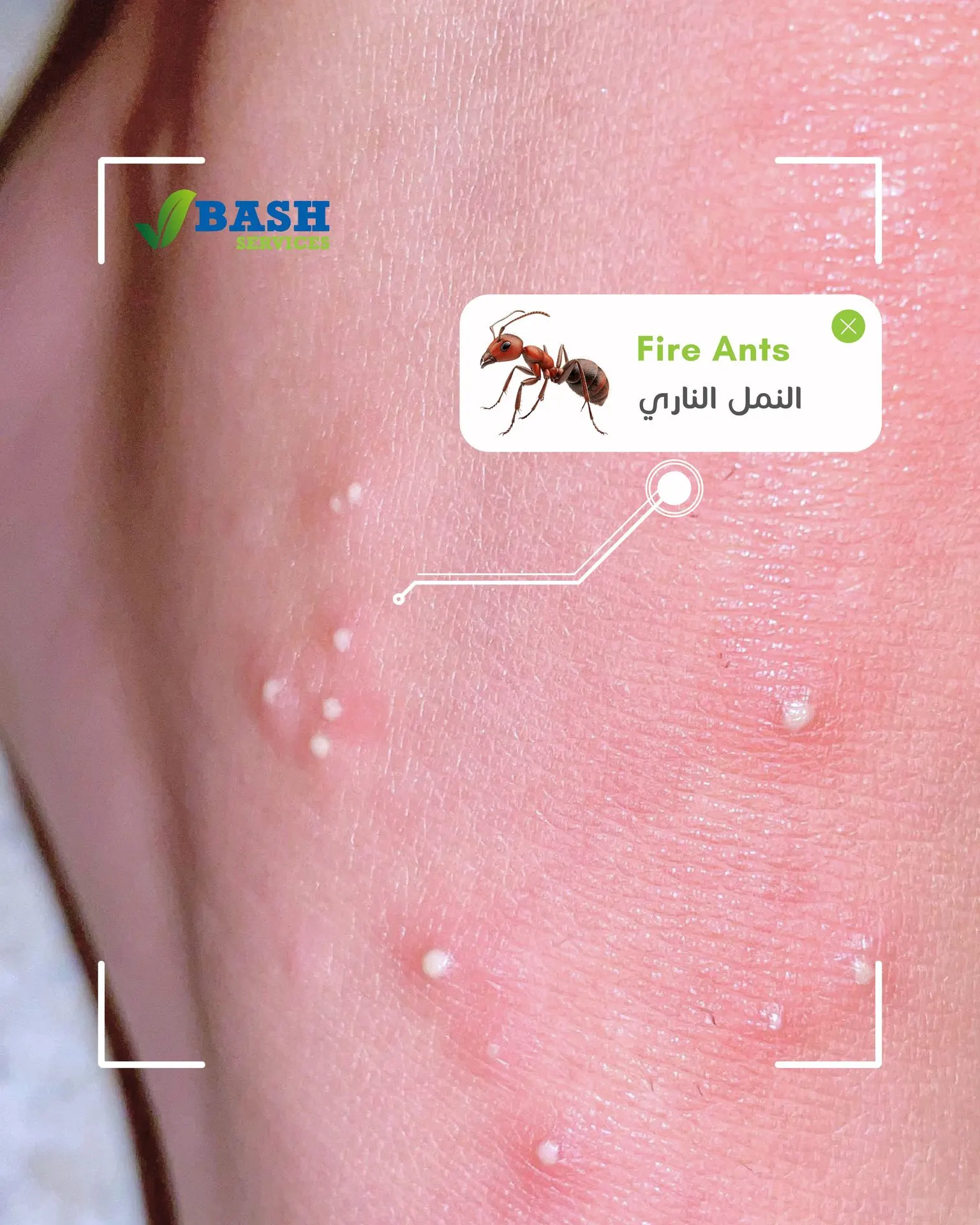
What does the sting look like?
- Small red bumps.
- A burning sensation immediately after the sting.
- They turn into small white blisters filled with fluid or pus within 12–24 hours.
- They often appear in clusters.
- They cause severe itching in the following days.
Associated symptoms
- Pain or burning.
- redness.
- Mild swelling.
- Itching.
- Small white blisters.
First aid
- Wash the area with water and soap.
- Do not open or pop the blisters.
- Use cold compresses.
- Avoid scratching.
- See a doctor if signs of inflammation or allergy appear.
7. Spiders
Are all spiders dangerous?
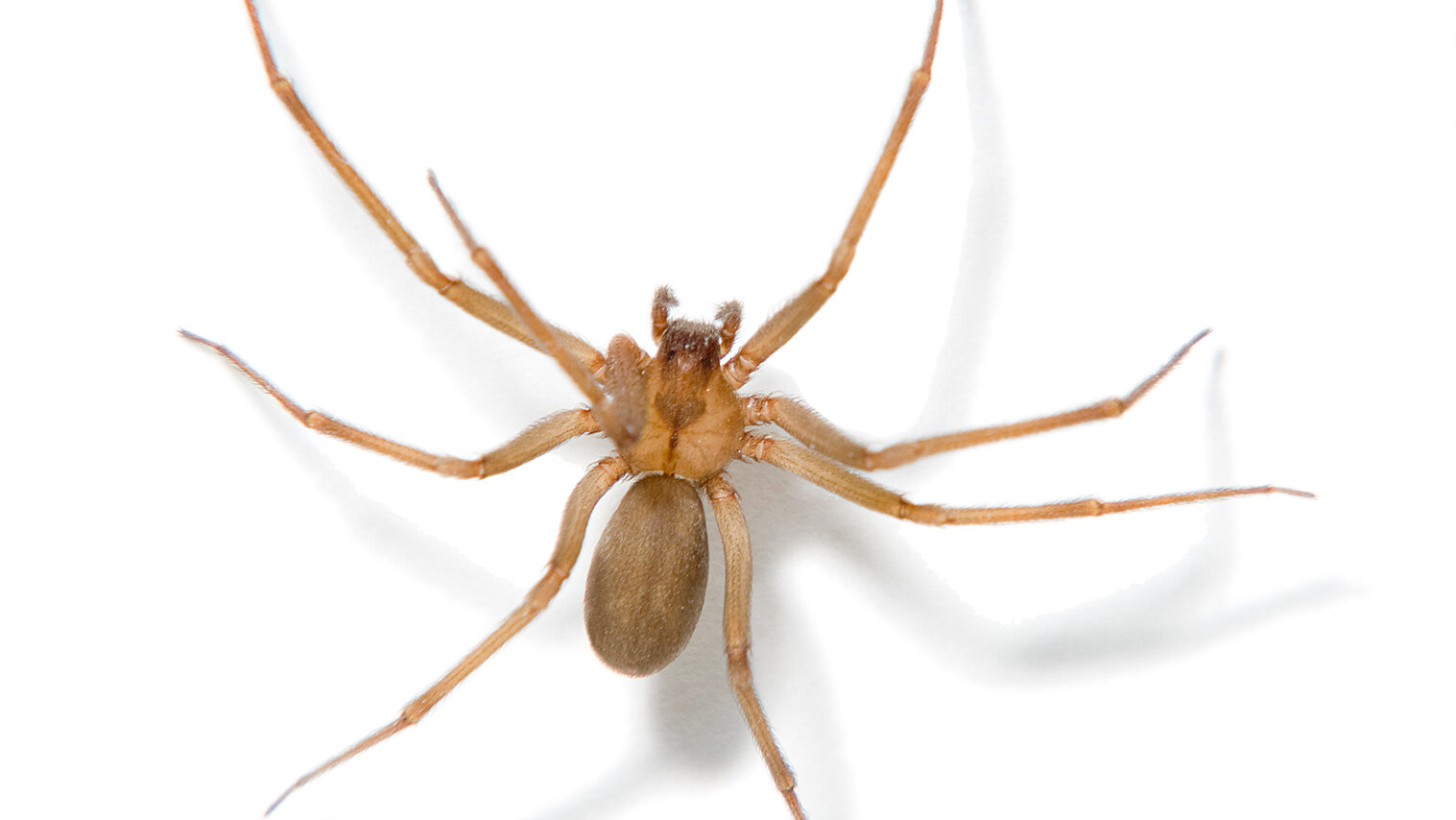
Why do spiders bite?
- pressed without notice.
- held.
- a person approaches their hiding place.
Where do spiders hide?
- warehouses.
- garages.
- Gardens.
- under rocks.
- inside shoes or stored clothing.
- dark corners.
- behind furniture.
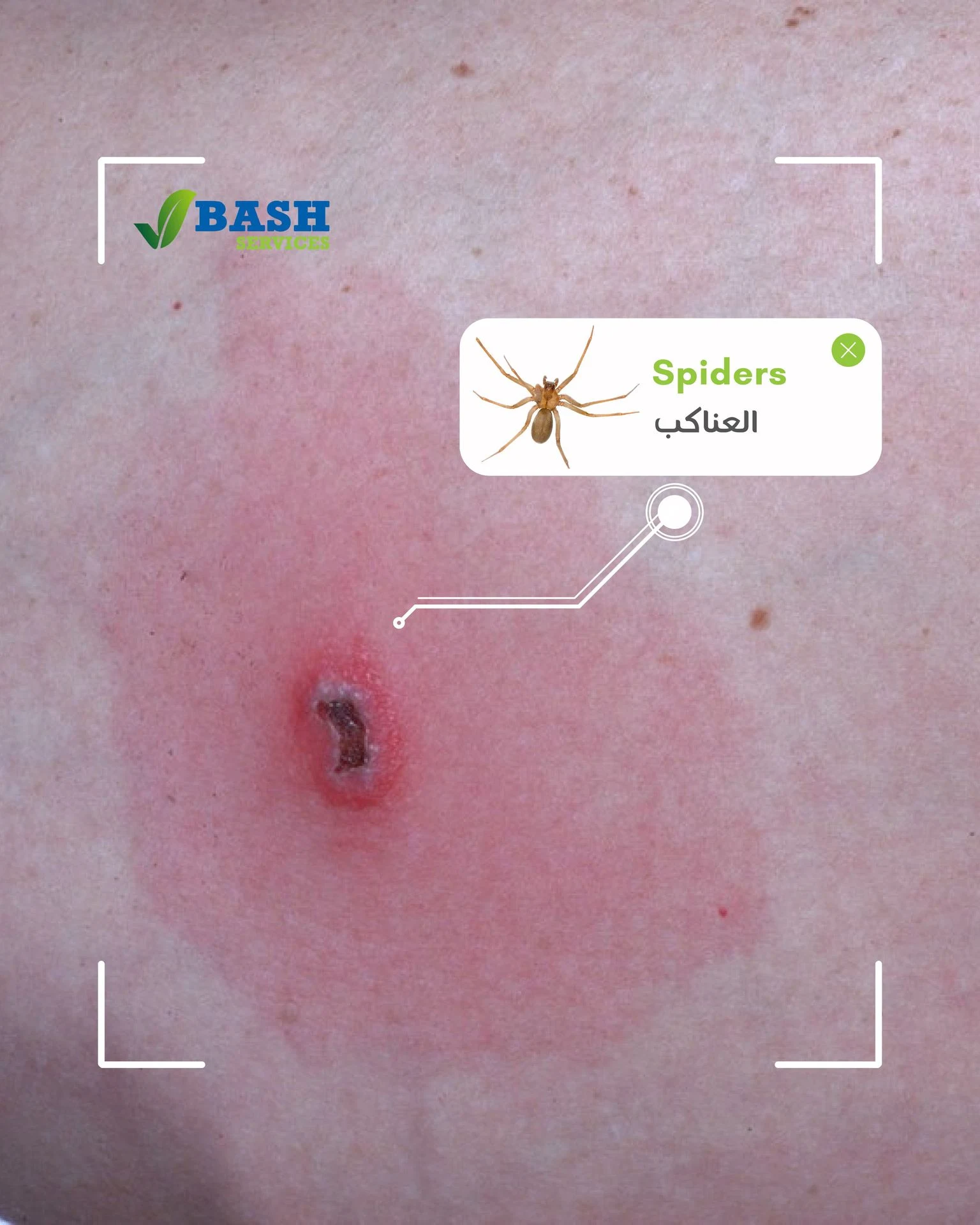
What does the sting look like?
- redness around the bite area.
- Slight swelling.
- a pinprick in the center.
- Sometimes two small pinpricks represent the marks of the fangs, but they may not be clear.
Associated symptoms
- pain or burning.
- swelling.
- mild itching.
- a warm sensation in the area.
- severe pain.
- muscle cramps.
- nausea.
- headache.
- fever.
How do you distinguish it from others?
First aid
- Wash the bite area.
- Apply cold compresses.
- Elevate the affected limb if possible.
- See a doctor if the pain increases or general symptoms appear.
8. Scorpions
Overview of Scorpions
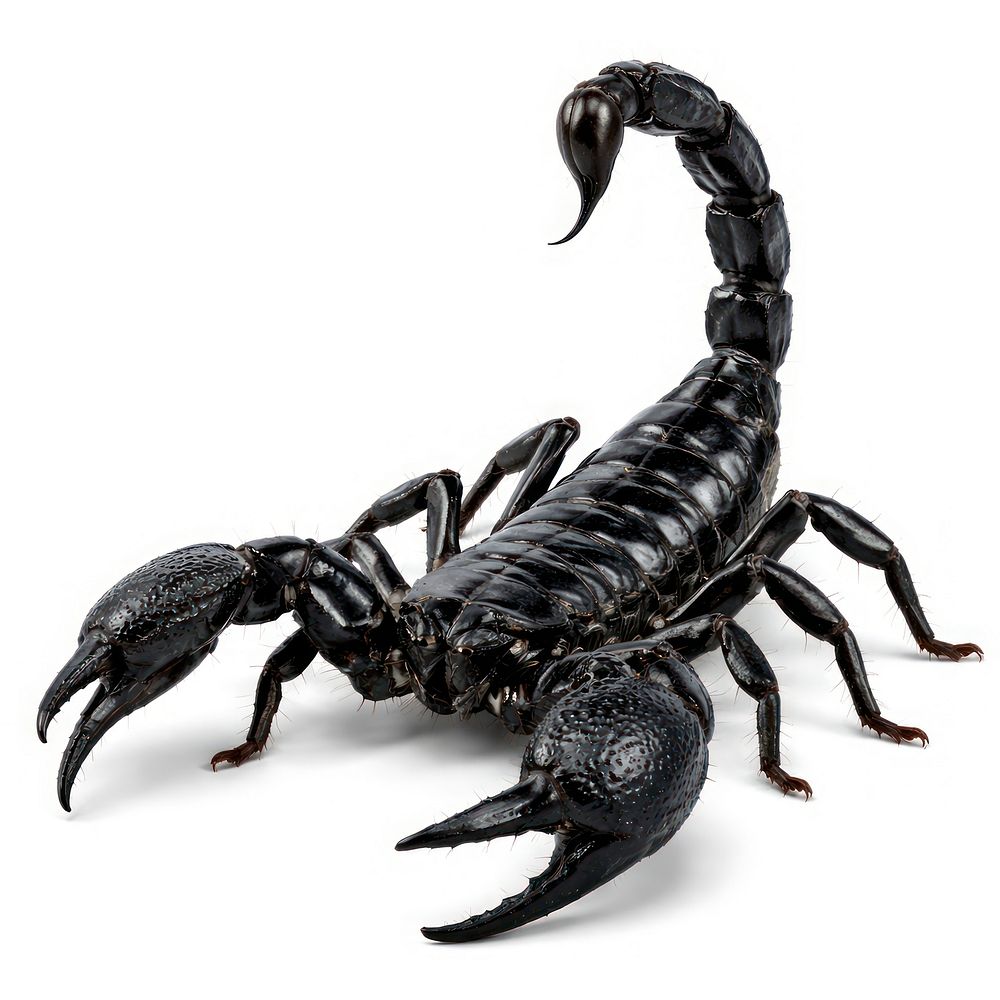
Are all scorpions venomous?
How does a sting occur?
- Wearing a shoe that a scorpion was hiding inside.
- Lifting stones.
- Working on farms.
- Walking barefoot at night.
- Inserting a hand into dark places.
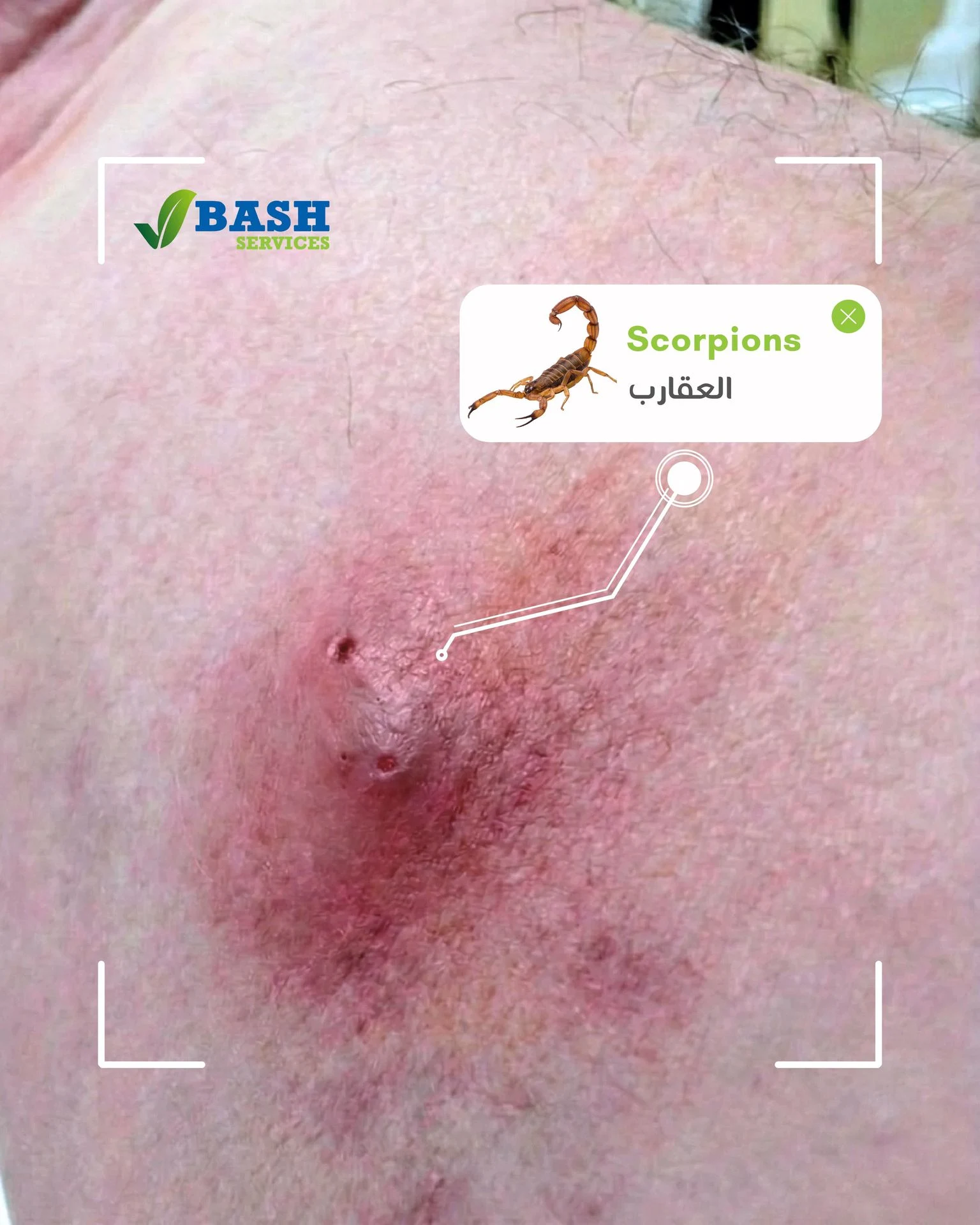
What does a scorpion sting feel like?
- A small puncture mark in the center.
- Redness around the sting.
- Slight or moderate swelling.
- The sting may appear very small compared to the pain it causes.
Associated symptoms
- Severe and sudden pain.
- A burning sensation.
- Numbness or tingling.
- Radiating pain to the surrounding area.
- Severe sweating.
- Nausea or vomiting.
- Muscle spasms.
- Increased salivation.
- difficulty breathing.
- Heart rhythm disturbances.
First aid
- Keep them calm.
- Wash the sting site with soap and water.
- Apply a cold compress wrapped in a cloth.
- Avoid cutting the skin or attempting to suck out the venom.
- Limit movement of the affected limb if possible.
- Go to the nearest medical center, especially if the victim is a child or if general symptoms appear.
Prevention of Scorpions
- Wear closed shoes in desert and agricultural areas.
- Check shoes and clothing before wearing them if they have been stored.
- Remove piles of stones and wood around the house.
- Seal cracks and openings in walls.
- Use pest control services when noticing scorpions inside or around the building.
How do you distinguish between the most common insect/pest bites and stings?
No | Pest | Shape of the sting or bite | Common area | Most common symptom |
1 | Bed Bugs | Red bumps appearing in a line or clusters | The neck, the arms, the legs | Itching after sleeping |
2 | Fleas | Small, closely grouped bumps | Ankles and lower legs | Intense itching |
3 | Mosquito | Single red bumps | Any exposed area of the body | Itching |
4 | Ticks | A red spot or a target-shaped rash | Any area where the tick attaches | May be accompanied by fever |
5 | Wasps | Redness and swelling with a bite mark | Any part of the body | Sharp, immediate pain |
6 | Fire Ants | Small white pustules that develop after the sting | Usually the feet or legs | Burning sensation and itching |
7 | Spiders | Redness and swelling with a bite mark | Usually a single, isolated bite | Pain more prominent than itching |
8 | Scorpions | A sting mark with mild redness | Usually the hands or feet | Severe pain |
Prevention starts with knowledge
Most pest bites and stings may appear similar at first, but each has distinctive signs that help identify them, such as the shape of the bite, the location it appears, the number of bites, and accompanying symptoms. However, the shape of the bite alone is not always sufficient to accurately determine the type of pest, as many bites and stings can look alike, and the body's response can vary from person to person.
Knowing the difference between pest bites and stings not only helps alleviate anxiety but also contributes to making the right decision at the right time, whether through providing first aid, consulting a doctor when needed, or addressing the source of the infestation to prevent recurrence.